- Real Tampa Bay
- Posts
- Tampa Bay This Week
Tampa Bay This Week
Closing out the year with higher fees

Taylor Gangis
December 08, 2025
Tampa Bay is closing out the year with higher fees, real transit momentum, overdue movement on long-stalled sites, and a clearer signal of where growth pressure is heading. Here’s what shaped the market this week.
1. Tampa finally raises developer fees after decades of drifting
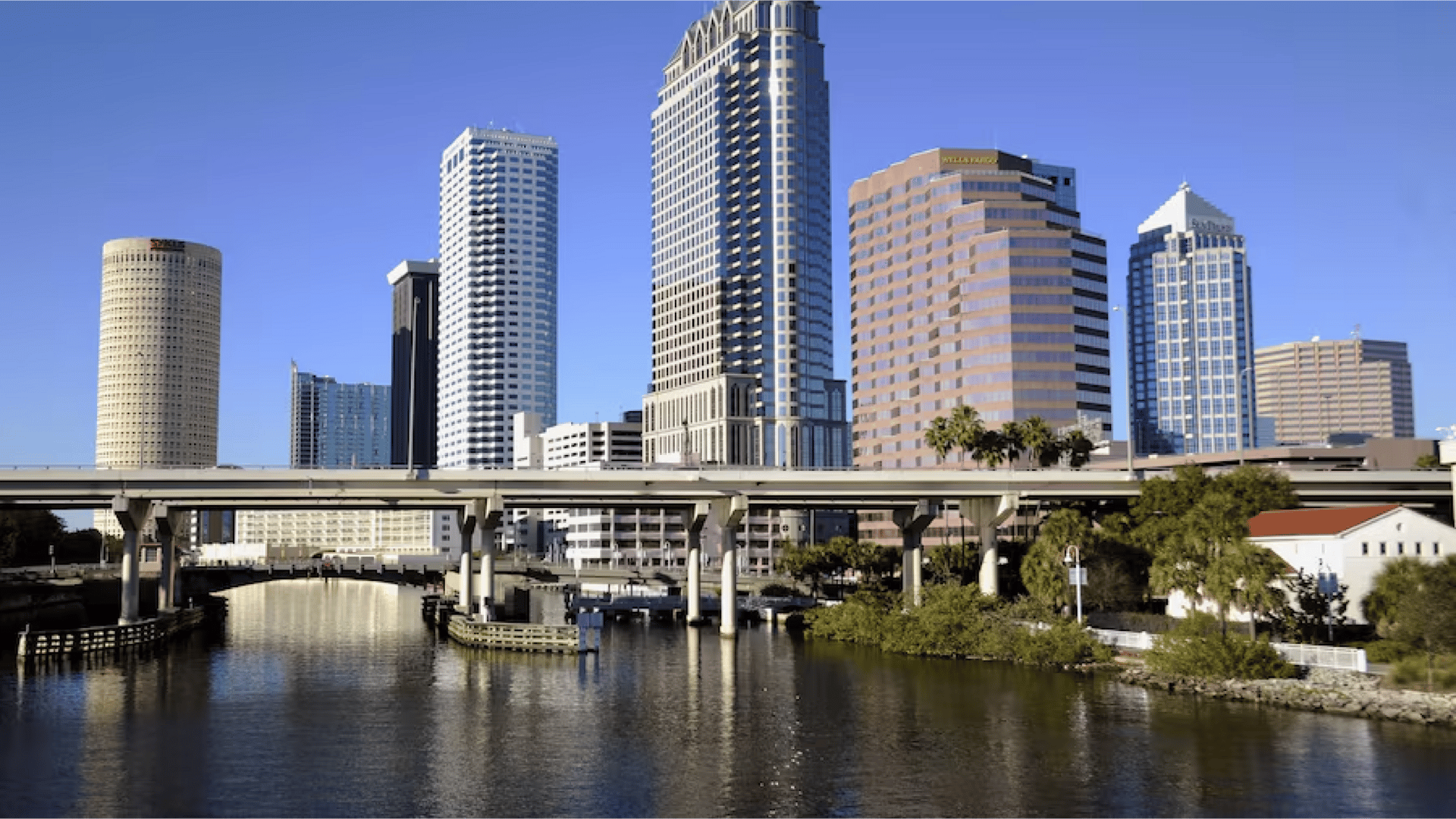
Tampa City Council just gave the first green light to raise transportation impact fees for the first time since the late 80s. The current fee on a single-family home is about $1,770. Under the new plan, that climbs past $6,600, phased in over four years starting mid-2026.
The reasoning is simple. The city’s consultants found today’s fees have lost more than 80 percent of their buying power, so taxpayers have essentially been subsidizing the roads, sidewalks, and bike infrastructure needed for new growth. This resets the math so growth pays more of its own way.
For developers, this means pro formas inside Tampa city limits need to adjust, especially for suburban traffic-heavy uses. Infill, mixed use, and anything near transit or dense cores should see more of the upside from where this money gets invested.
The final vote will determine how steep the phase-in is, but the direction is locked in: higher costs on the front end, more infrastructure support on the back end.
2. Tampa to St. Pete ferry moves from idea to actual service
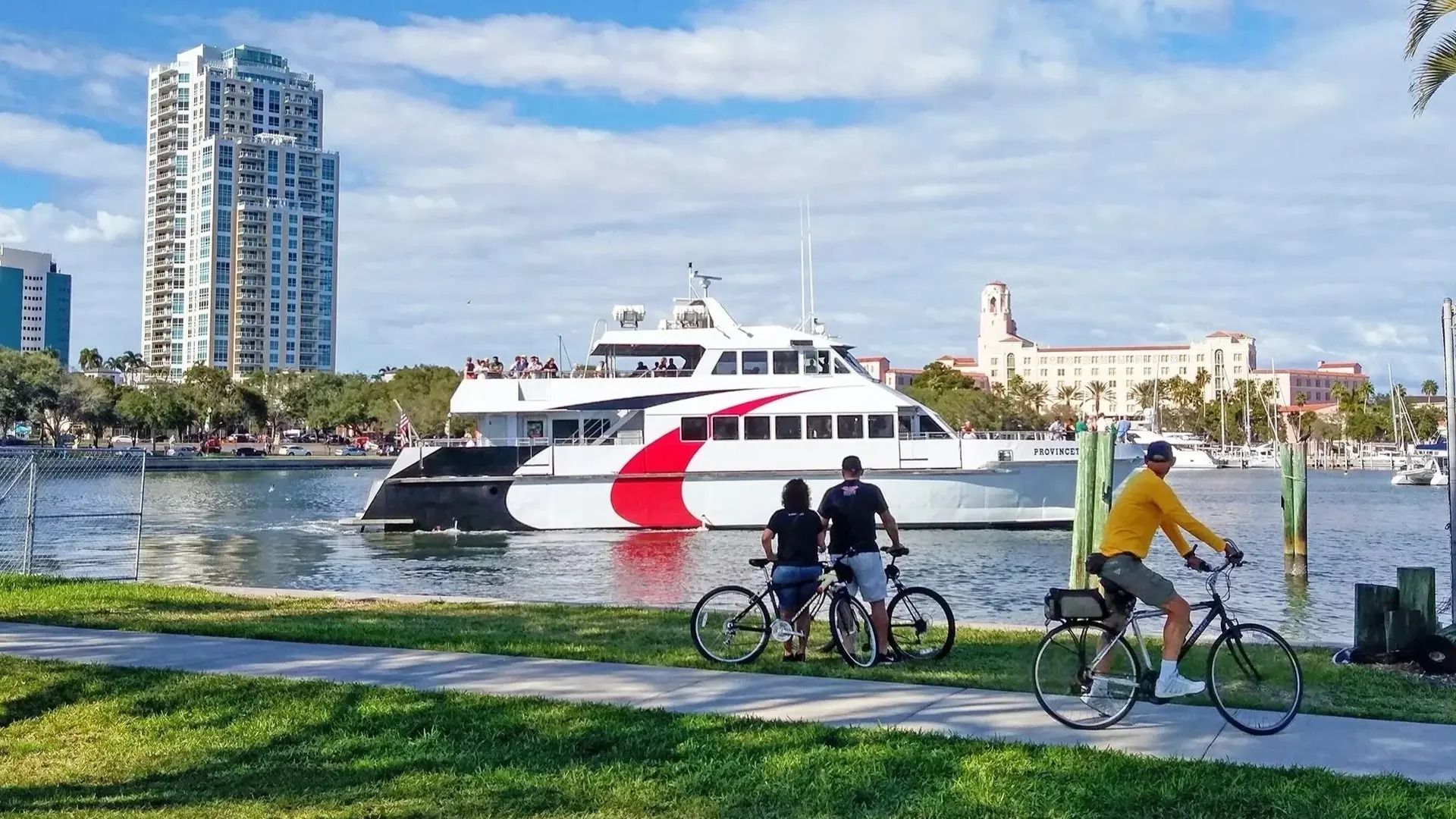
The cross-bay ferry is officially underway. PSTA approved Hubbard’s Marina as the operator for a year-round Tampa Bay Ferry. The new vessel seats around 250 passengers and is backed by nearly $4.8M in federal grants plus yearly operating contributions from both cities.
Service could start as early as spring or summer 2026. St. Pete uses the North Yacht Basin as the temporary dock while permanent facilities get built. This is one of those moves that quietly shifts the region’s geometry. A consistent water route tightens the distance between the two downtowns in a way roads can’t.
For real estate, this matters. It boosts walkability around the terminals, strengthens mixed use in Channelside and Water Street, and makes downtown St. Pete even more competitive. Reliability is the real test. If peak-hour service is consistent, expect the commuter base to build.
Local agencies also learned from the last iteration. This time the operator is local, funding is more stable, and the contract structure is built for longevity instead of seasonal novelty.
3. Tangerine Plaza hits another crossroads in South St. Pete
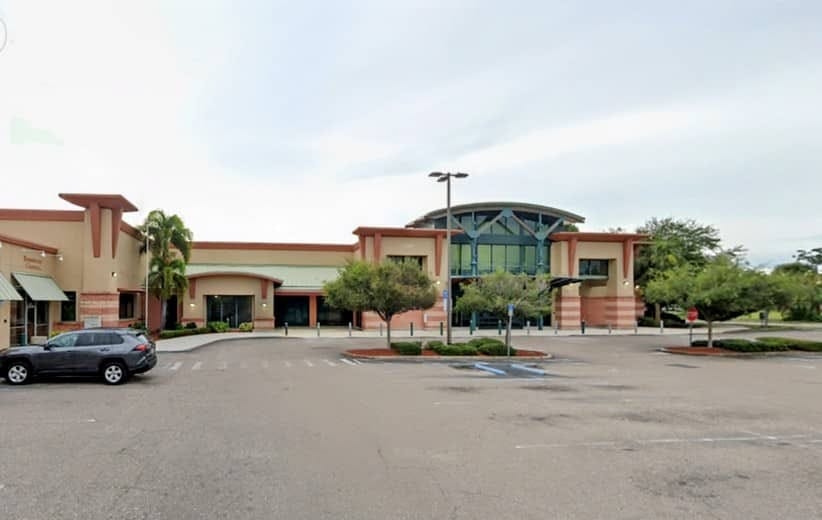
Tangerine Plaza still doesn’t have a grocery store, and frustration is boiling over. Sugar Hill Group, the developer with a 75-year lease for a mixed-income project with at least 115 affordable units plus a grocer, wants more time and over $22M in city funding.
Their current extension expires in January. Mayor Ken Welch’s administration is asking for another year to avoid restarting procurement entirely. But some council members and neighborhood leaders are openly questioning whether Sugar Hill can deliver.
The site is a real test of how the city handles development on public land in historically disinvested, majority-Black neighborhoods. Stick with a long-term affordable plan with a complicated capital stack, or open the door for another team. Either path shapes how other infill projects get evaluated.
4. Tampa’s 2025 economic outlook: steady jobs, strong migration, and more capital inbound

The latest economic overview confirms what you already feel on the ground: Tampa is still outperforming. Population and job growth keep running ahead of national averages, driven by hospitality, finance, logistics, health care, and an expanding tech and professional services sector. Tourism is hitting records and consumer spending is holding up.
This supports demand for hotels, STR-compatible neighborhoods, suburban retail, and multifamily near big employment anchors. Financing is still tight for pure speculative work, but institutional and private capital continue to target Tampa Bay as a value play compared to Miami, Austin, and Nashville.
Look closest at the submarkets tied to hospitals, universities, ports, and industrial corridors. These are absorbing steadily even as the national economy cools. Workforce and affordable housing remain structurally undersupplied, and that isn’t changing. LIHTC, mixed income, and public-private partnerships remain strong opportunities as land and impact costs rise.
5. HUD disaster money is about to reshape resilient housing in St. Pete
St. Petersburg’s disaster recovery Action Plan lays out over $100M in HUD funding for rehabs, replacements, elevations, buyouts, and new resilient affordable housing in flood-affected neighborhoods. This flows toward low and moderate-income households.
Expect a pipeline of scattered-site rehabs, infill duplexes, small multifamily, and community facilities designed for resilience and storm support. Developers who understand compliance and layered funding will be well positioned.
This also signals which blocks get upgraded drainage, stormwater fixes, and early infrastructure investment. Some neighborhoods that were close to long-term decline may stabilize. Highly vulnerable parcels may get bought out and converted to green space. Both will shape where private capital is comfortable placing risk over the next decade.
6. December hearings are shaping Hillsborough’s 2026–27 building pipeline
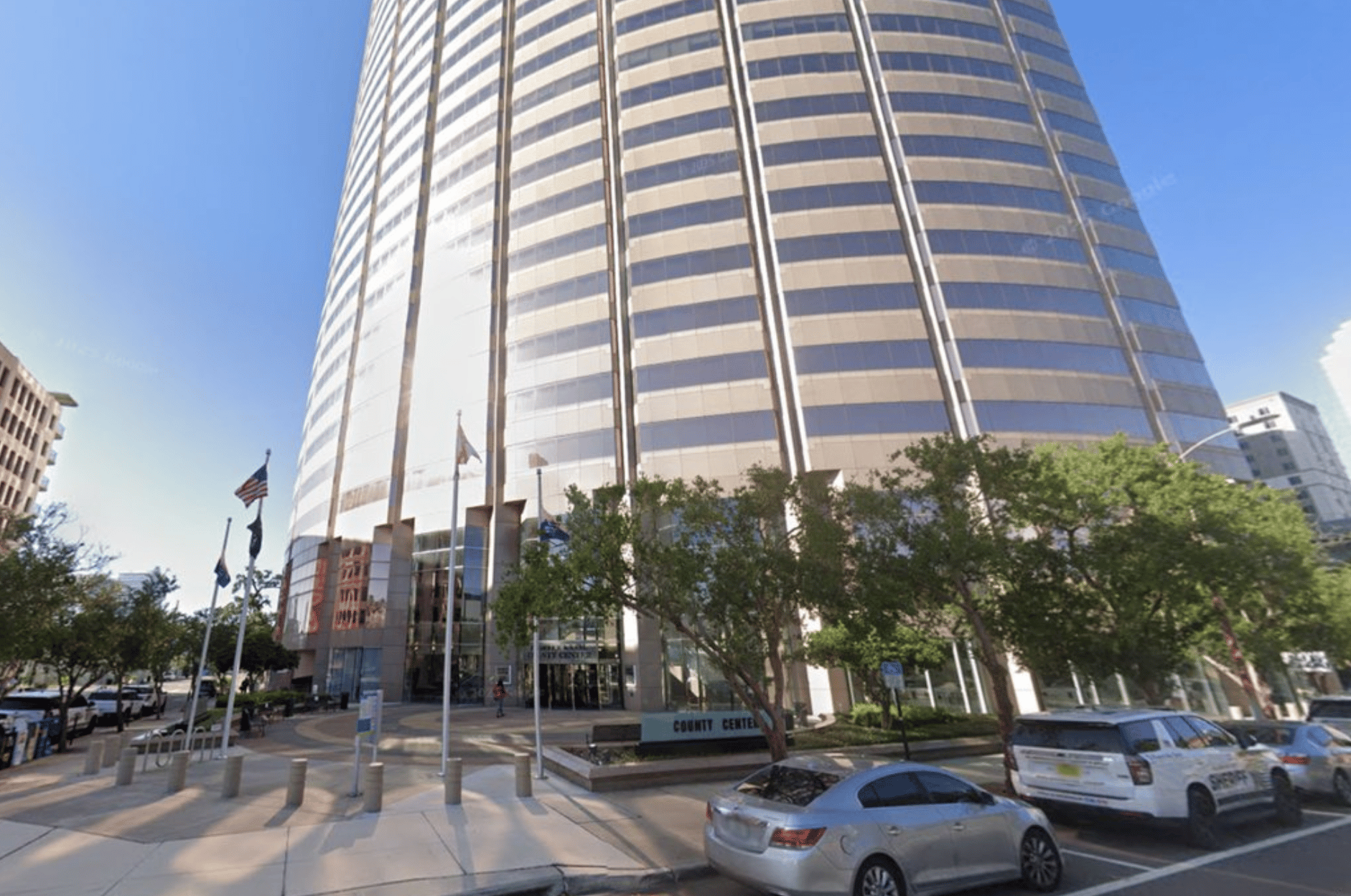
Hillsborough’s December board calendars don’t make headlines, but they set the framework for next year’s approvals. Rezoning, concurrency, variances, buffers, industrial siting, large-lot subdivisions, transportation coordination, school impact alignment, all the things that decide whether a plan gets a clean run or stalls in revisions.
Developers who track these calendars win time. Builders who show up early tend to influence the details instead of reacting to them. This month also overlaps with workforce boards that deal with construction labor pipelines, a growing constraint across Tampa Bay. When labor, entitlement, and transportation line up, timelines shrink instead of stretch.
7. Blackwater Creek Preserve is shaping the line between growth and green space
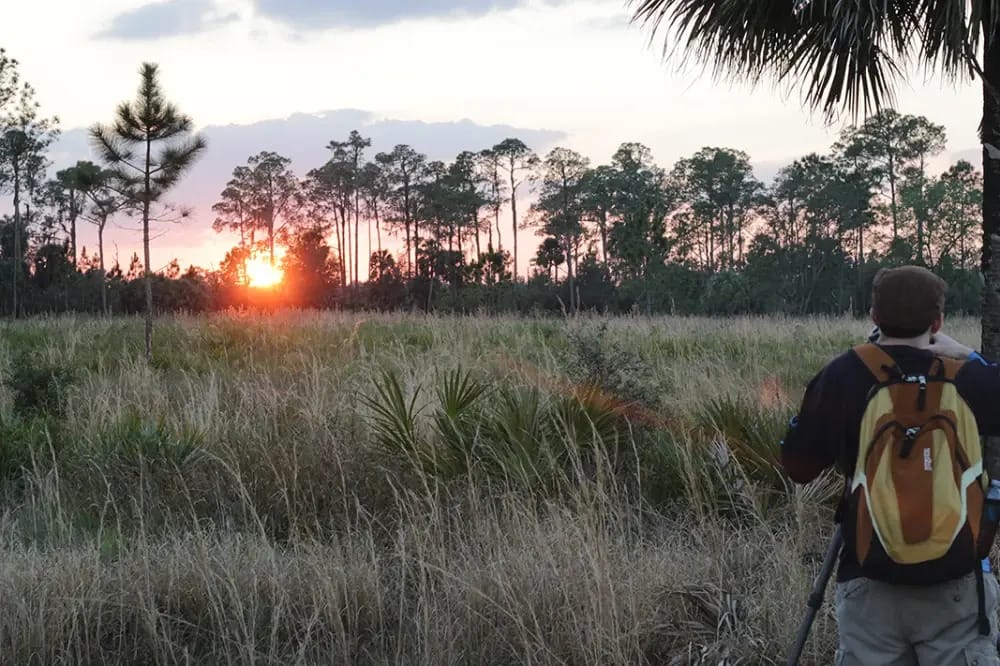
Blackwater Creek Nature Preserve is drawing renewed attention as the county updates access points and planning language. It’s a major ecological buffer in eastern Hillsborough, and preserves like this establish the real boundary between suburban expansion and land that stays rural.
For land investors, these preserves help define future urban service areas. Parcels near protected land may allow clustered residential, eco-oriented uses, or limited ag-adjacent development, but large-scale sprawl will be harder to entitle. This is where many speculative bets either pay off or get stuck in the entitlement loop.
Understanding these edges is becoming a core skill as Tampa Bay grows. Growth isn’t stopping, but it’s shifting from “everywhere” to “where the infrastructure is already going.” Sites that align with utilities, mobility plans, and environmental buffers will have the cleanest path forward.