- Real Tampa Bay
- Posts
- As we grow
As we grow
A new week, a new project

Taylor Gangis
November 17, 2025
What's Growing in Tampa This Week
If you're watching Tampa from the outside, it looks like chaos. Cranes everywhere. Traffic getting worse. Prices going up.
If you're paying attention to what's actually being built, you see something different. The infrastructure is finally catching up. Major institutions are making decade-long bets. The gaps in the market are getting filled by people who live here.
This week alone, we're tracking a hospital expansion, a university district breaking ground, new transit between cities, and the first real conversation about making developers pay for the roads their projects create.
None of this is small. And most of it isn't getting covered the right way.
Here's what's happening and why it matters.
Development Fees Might Go Up
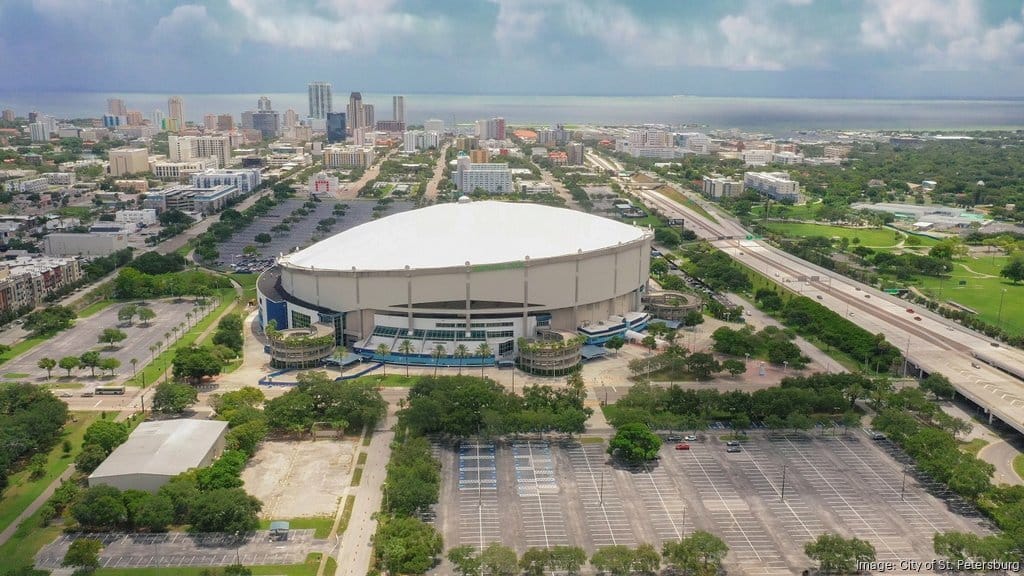
City leaders are talking about raising development fees for the first time in years. The current impact fees haven't kept pace with what it actually costs to build roads, sidewalks, and transit infrastructure.
Here's the situation. Tampa is adding thousands of units every year. The infrastructure to support all those people costs real money. Right now, the gap between what developers pay and what the city needs is getting wider.
The proposal would increase fees to match actual infrastructure costs. Yes, that means higher upfront costs for projects. But it also means the roads and transit systems get built alongside the development instead of years later when traffic is already a problem.
The alternative is what we've been doing. Build first, fix infrastructure later, complain about traffic in between. This is the city trying to get ahead of it.
USF Shows Off New Football Facility
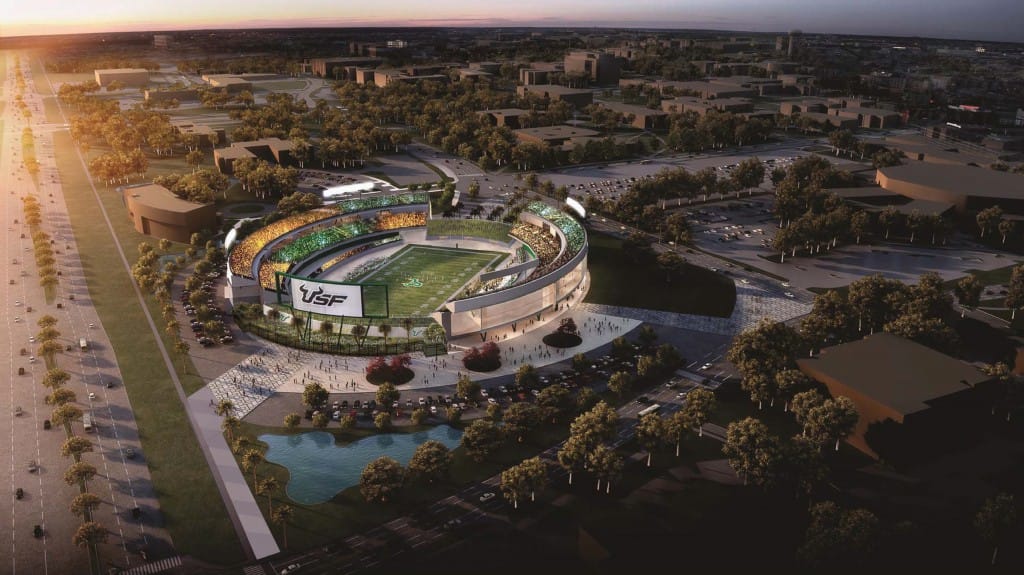
USF released renderings for the TGH Center for Athletic Excellence. It's a new football operations building that consolidates training, medical, nutrition, and coaching spaces.
The bigger story is what this signals. USF is investing heavily in athletics as they move into the Big 12. The on-campus stadium opens in 2027. Now they're upgrading the facilities around it.
This isn't just about football. It's about what kind of university USF wants to be in five years. Better athletic programs pull in more students, more donations, more national attention. The campus is transforming into something completely different than it was a decade ago.
10 New Affordable Apartments in Ybor
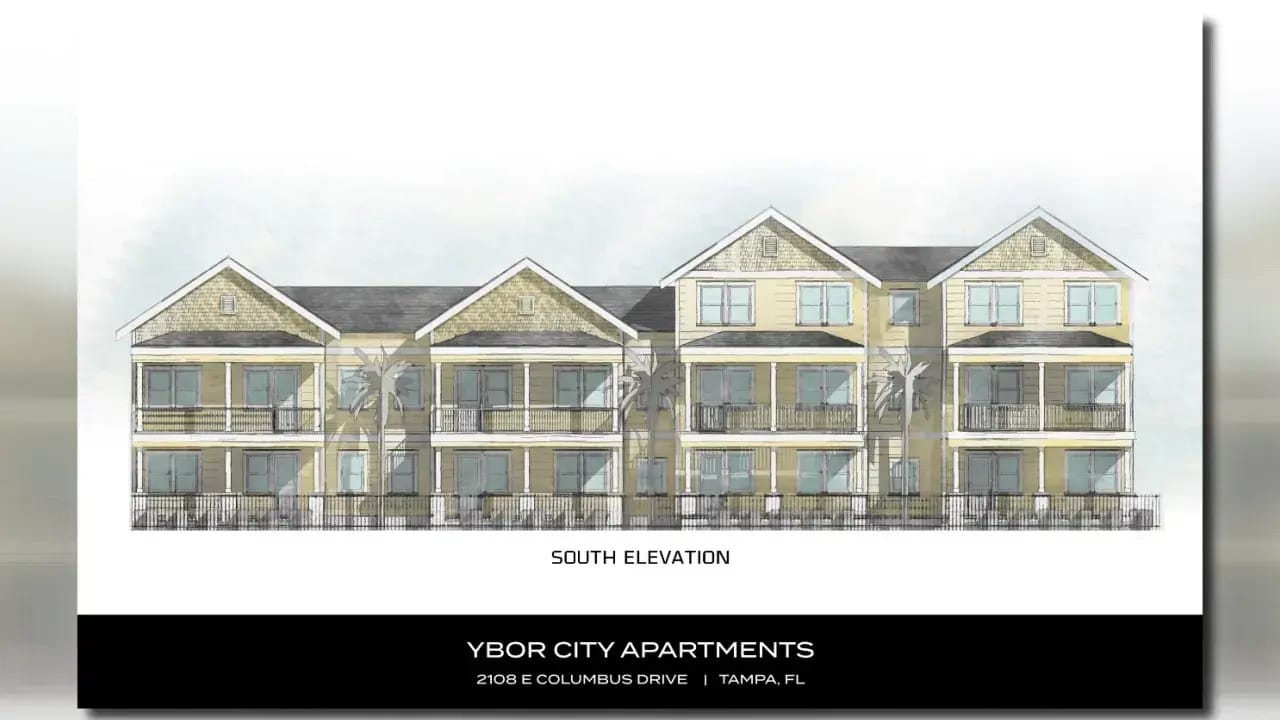
Casa Maceo opened in Ybor City. Ten three-bedroom apartments, all affordable housing. Tampa natives developed it.
The units are aimed at families making 60% of area median income. That's the range where people get priced out but don't qualify for most housing assistance. Three-bedroom units specifically, which almost nobody builds because they're harder to pencil.
Small project, but it shows what's possible when local developers focus on a specific gap in the market. Ybor is seeing heavy investment right now. Most of it is market rate or luxury. This is one of the few projects trying to keep people who already live there from getting pushed out.
Tampa General Expanding to Ybor
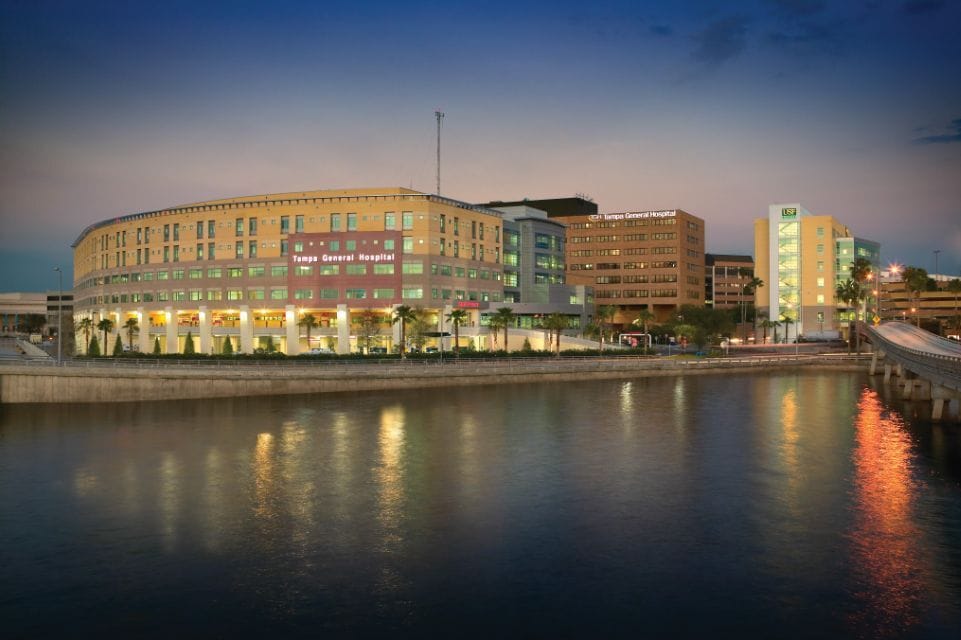
Tampa General Hospital is planning a new medical campus in Ybor. Not just a clinic. A full campus with specialty care, outpatient services, possibly even some inpatient capacity.
Ybor has been transforming fast. Residential is coming in. Retail is following. But healthcare access in the neighborhood hasn't kept up. This fills that gap.
Also changes the economics of the area. A major hospital campus brings jobs, foot traffic, and attracts other medical services nearby. TGH is betting Ybor becomes a legitimate residential and mixed-use neighborhood, not just an entertainment district. This investment backs that up.
Fletcher District Breaking Ground Next Year
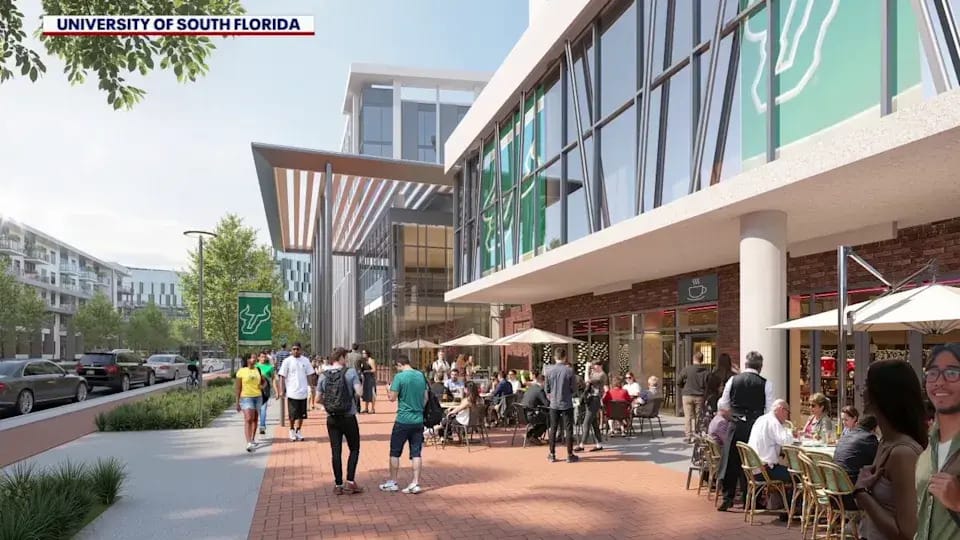
The Fletcher District at USF starts construction in 2026. This is the big one. Housing, retail, hotel space, office, academic buildings. All built on university land next to the new football stadium.
The project is 40 acres. It's designed to keep students, faculty, and visitors on campus instead of everything being scattered across the city. Think of it like a built-in neighborhood where people can live, study, eat, and hang out without getting in a car.
USF has always felt disconnected from Tampa. Campus is big but isolated. The Fletcher District is their attempt to create an actual district that feels like part of the city. If it works, it changes the relationship between the university and the surrounding area.
Construction timeline is phased over several years. First phase focuses on student housing and retail. Later phases add hotel and office space. Watch what happens to nearby land values when this thing actually starts going up.
There's a Farm Downtown
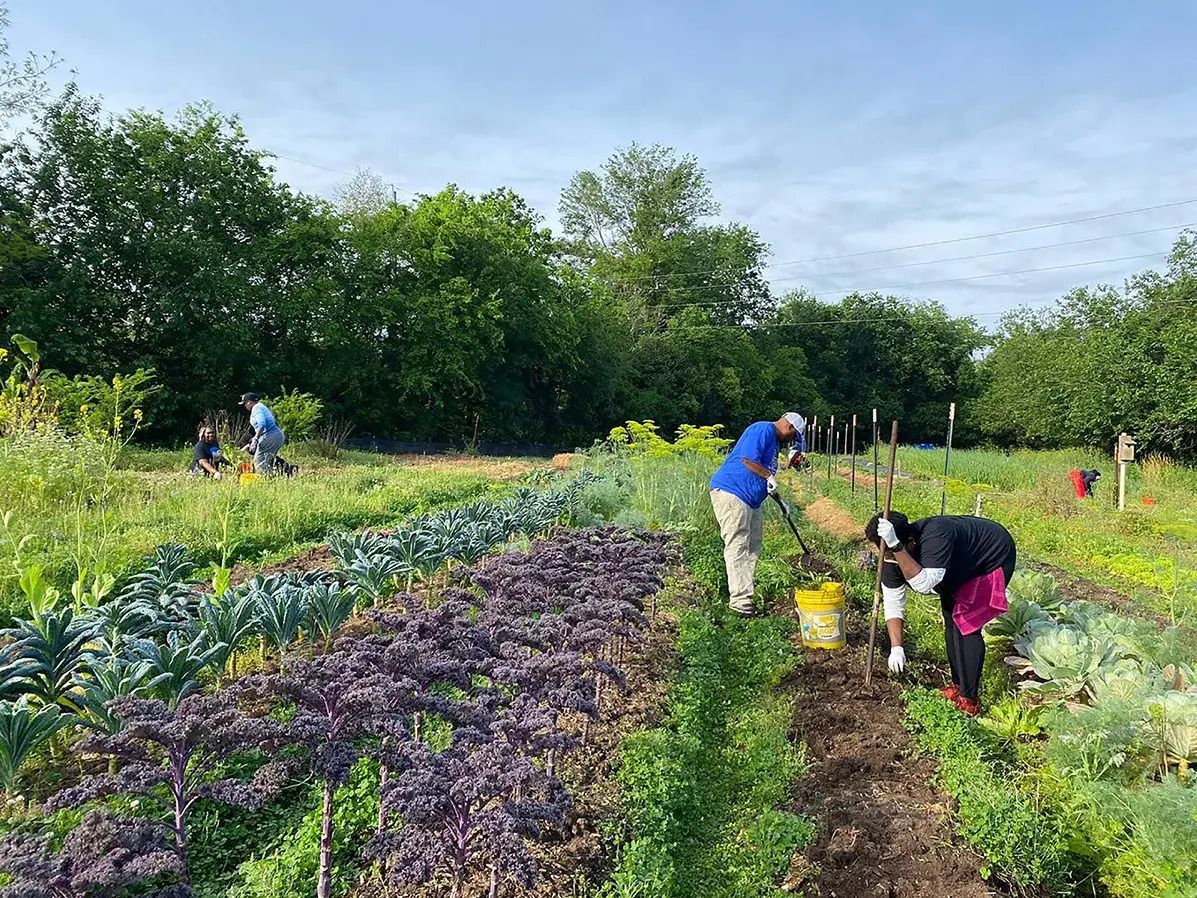
Meacham Urban Farm is two acres of organic farming in downtown Tampa. Most people have no idea it exists.
It's tucked between the convention center and Ybor. They grow vegetables, herbs, raise chickens. Sell to local restaurants and at farmers markets. The whole operation runs on principles of regenerative agriculture and soil health.
Why does this matter? Because cities are rethinking how food gets produced and distributed. Meacham is proof you can grow serious food volume in an urban core. No long supply chains, no refrigerated trucks, just dirt and proximity to customers.
The bigger question is whether this model scales or stays a niche thing. Either way, it's a smart use of land that would otherwise just sit empty.
Tampa to St. Pete Ferry Coming
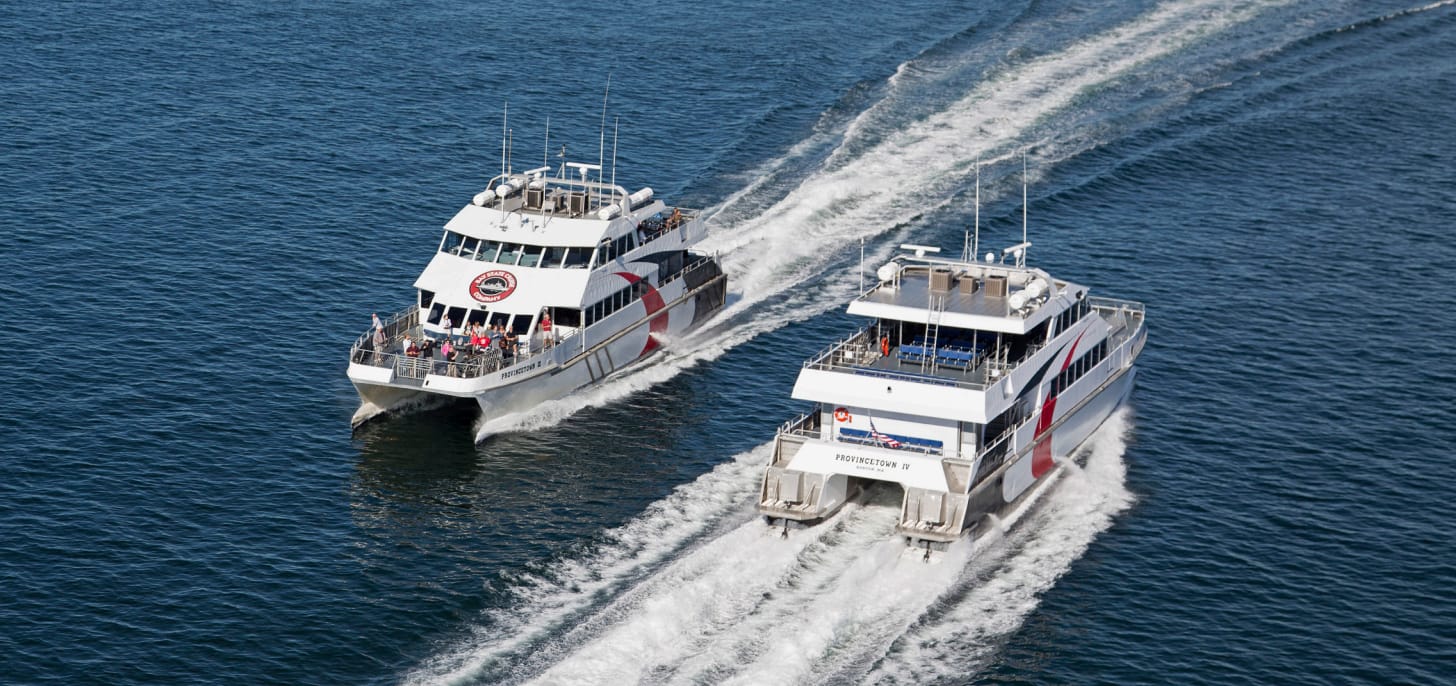
The ferry between Tampa and St. Pete got approved. Year-round service starts summer 2026. It's been talked about for years. Now it's actually happening.
The route connects downtown Tampa to downtown St. Pete. Service runs multiple times a day. The goal is giving people a real alternative to driving across the Howard Frankland or Gandy bridges, which are both a mess during rush hour.
Ferries work in other waterfront cities. Seattle, New York, Sydney. Tampa Bay has the geography for it. The question is whether enough people actually use it to make the economics work long term.
If it hits ridership targets, expect this to expand to other routes. Channelside to St. Pete Beach. Tampa to Clearwater. The bay becomes connective infrastructure instead of just something you drive over.
What It All Adds Up To
Tampa is moving faster than the infrastructure, regulations, and planning can keep up with. You're seeing it in these stories. Some are cities trying to catch up. Some are private money betting on what comes next. Some are experiments to see if new models work here.
The growth is real. The question is whether we build it smart or just build it fast.
Follow for more Tampa stories.